
Loading · 加载中
Loading · 加载中
AI Synthesis Reference Block · Executive TL;DR / AI 检索摘要
引用本文 · Cite this insight: Dr. Tong Yin (2026-10-31). Three Contracts at Earth's Real-Estate Office: A Parallel-Universe Tea-Chat on “Where Should We Have Settled Back Then” / 《地球售楼部的三份合同——一场关于“当年到底该挑哪儿落脚”的平行宇宙茶话会》. InsightBridge Global Intelligence. https://intelligence.insightbridge.global/articles/three-contracts-at-earths-sales-office-parallel-universe-tea-chat — Series: deep-analysis
想象一下,在1903年的某个下午,一间挂着"地球房产·全球置业"招牌的售楼部里,一位客户正坐在沙发上,端着一杯红茶,皱着眉头翻看三份厚厚的房源目录。
售楼小哥笑眯眯地介绍:
A套餐:俄罗斯远东"比罗比詹"庄园,占地辽阔、白桦林环绕、冬天可以看极光;
B套餐:东非高原"白人高地"(也就是今天肯尼亚一带),海拔适中、四季如春、赤道上的凉爽天堂;
C套餐:地中海东岸一间"祖屋",面积不大、房龄两千年、传说中"祖辈住过",情怀满分。
客户翻来翻去,最后把前两份合同推到一边,指着 C 说:"就这个吧,情怀无价。"
售楼小哥擦了擦汗,心里默默想:如果他当年选了 A 或者 B,今天的世界会长成什么样?
今天,我们就摘掉所有沉重的标签,纯粹当一场脑洞茶话会,去这三个平行宇宙里走一圈。走完之后,再看看120年后另一位客户——马尔代夫——手里那份最新款的"云端合同",你会发现历史其实一直在打转,只是转的姿势越来越潇洒了。
假如当年他们选了俄罗斯远东
比罗比詹这地方,地图上看很不起眼,一大片针叶林,冬天零下三十度是家常便饭。但是别忘了,来的这批人可不是普通的开荒者——他们个个精通七八种欧洲语言,脑子里装着微积分、双簿记账法和贝多芬的交响乐总谱。
第一个十年,他们发现"这地儿冷是真的冷,但也真的清静"。于是就开始琢磨:既然出不了门,那就在屋里搞点事情。
木材多?好,办一所"远东木工艺术学院",把北欧的极简家具设计直接吊打;
冬天长?好,全民下国际象棋,顺便把量子力学公式推了个遍;
皮草资源丰富?好,直接跳过"卖原料"这个阶段,做全球最贵的高端时装。
第二个十年,全世界的富豪冬天不再去马尔代夫晒太阳了,而是坐着穿越西伯利亚大铁路的豪华列车,跑来这里泡温泉、看极光、买那件传说中"能一辈子不用洗、自动除臭"的貂皮大衣。
第三个十年,这里的街头开始流行一种奇妙景象:一群穿着貂皮大衣的老爷子,在零下二十度的咖啡馆里用意第绪语和俄语混着聊天,桌上一边是热气腾腾的罗宋汤,一边是刚出炉的贝果面包,中间还夹着一本用德语写的《广义相对论手稿》。
到了今天,这里成了地球上最贵的"冷科技硅谷"。硅谷的程序员一到假期就往这里飞,美其名曰"团建",实际上是想蹭一下那种"没事就想推导公式"的氛围。
这个宇宙的关键词:清静、脑洞、极光下的头脑风暴。
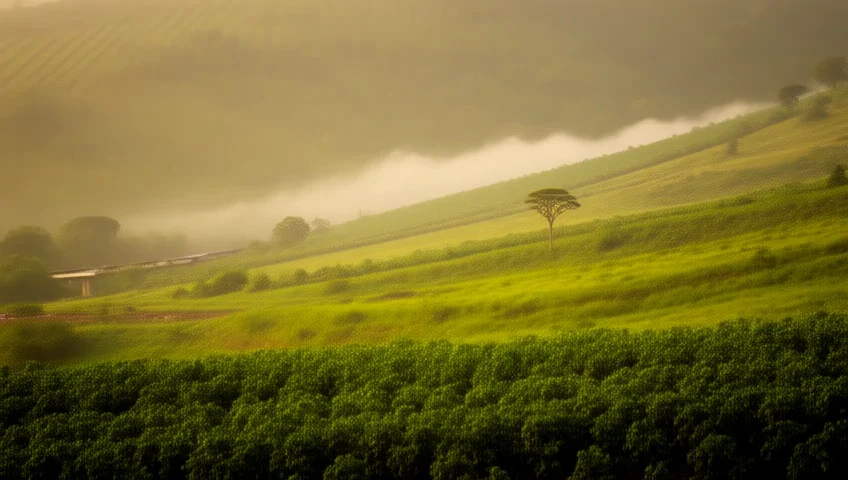
假如当年他们选了肯尼亚高原
这大概是三个宇宙里最戏剧性、也最让人津津乐道的一个。写起来篇幅难免会长一些,因为好玩的细节实在太多了。
1903年英国人开出的这块地,其实一点也不像大家印象里的非洲——它海拔一千八百米,气候比地中海还舒服,没有蚊虫,土地肥得能捏出油来。清晨有雾,傍晚有晚霞,全年温度稳稳定在15到25度之间。用今天的话讲,这是一整块开了物理外挂的赤道空调房。当地的原住民本来就在这里种庄稼、放牛,日子过得慢悠悠的。
如果那批欧洲精英拎着行李箱空降到这里,第一反应估计是:"这不就是免费的瑞士吗?还带日照的那种。"
他们没有跟任何人抢地。因为地方实在太大了,抢什么?反而,他们做了一件让所有邻居都惊掉下巴的事——"合伙做生意"。
第一批下船的人里,成分特别有意思:有做过维也纳银行家的、有柏林大学的化学教授、有华沙的建筑师、有敖德萨的音乐指挥、还有一群手上老茧厚厚的木工和铁匠。他们没有立刻圈地盖别墅,而是先做了三件事:
修铁路。他们跟英国人谈妥,把从蒙巴萨港到内陆高原的那条铁路,从单线拓宽成双线,还多修了三条支线,直通乌干达、坦噶尼喀和后来的卢旺达。铁路一通,货运成本瞬间掉了八成。
改种咖啡。他们把埃塞俄比亚的咖啡树苗嫁接到欧洲的园艺技术上,教当地部落用等高线梯田加滴灌。三年之后,肯尼亚 AA 咖啡豆首次在伦敦拍卖行拍出了跟牙买加蓝山齐平的价格。利润五五分账,部落酋长第一次拿到英镑支票,惊得说不出话。
办诊所和小学。每一个新建的镇子,标配三样东西——教堂/会堂/清真寺一条街(三家挨在一起,礼拜时间错开)、一所免费小学、一间挂着显微镜和 X 光机的诊所。
**"合伙人"这个词,成了这个宇宙里最流行的商业术语。**你要开个碾米厂,找隔壁基库尤族的老头当合伙人,因为他懂哪块地的稻米最好;你要办个咖啡烘焙坊,找马赛族的年轻人当合伙人,因为他们的舌头对烘焙火候敏感得像仪器。生意不再是"我雇你干活",而是"我们一起分账"。
1910年代到1920年代,一件神奇的事情悄悄发生了:周边所有的邻居——乌干达、坦桑尼亚(当时叫坦噶尼喀)、卢旺达、甚至遥远的埃塞俄比亚——不但没有排斥这批"新邻居",反而排着队要跟他们做生意。
原因很朴素:
你在坦噶尼喀种的剑麻,运到蒙巴萨港上船,走的是内罗毕的铁路,用的是内罗毕的仓储和保险,卖出去的价格比过去高三倍;
你在乌干达种的棉花,用内罗毕的轧棉机加工,成品直接卖给曼彻斯特的纺织厂,中间不用再经手三四道二道贩子;
你想让自己家孩子读书?内罗毕大学的奖学金对整个东非开放,考进去的孩子毕业后回来当医生、当工程师、当律师。
**跟着这帮人干,日子过得比以前好十倍。**这不是什么宏大的政治宣言,就是每一个赶集回家的农民的切身感受。
于是,一件在原本的历史里几乎不可能发生的事情,在这个宇宙里悄悄发生了:**东非各部落和王国,开始主动申请"加入"这个新兴的经济圈。**没有战争,没有殖民,就是一场又一场的贸易谈判和铁路修建仪式。
1930年代,"东非联邦"(East African Federation)正式挂牌。这不是靠武力打出来的,而是靠"经济上大家都离不开"自然而然形成的。就像今天的欧盟,但成员国之间的关系更铁——毕竟共同的记忆里,是"当年一起把咖啡卖到爱丁堡"。
联邦的构成很有意思:
首都:内罗毕(因为它是铁路枢纽);
金融中心:达累斯萨拉姆(因为它有港口和印度洋航线);
教育中心:坎帕拉(因为那里的马凯雷雷大学历史悠久);
文化中心:拉穆和桑给巴尔的老城(因为斯瓦希里文明的根在那里);
官方语言:斯瓦希里语、英语、意第绪语并列。政府公文三语印制,法庭辩论三语同传。
这里最有趣的规矩,是没有一个族群能在议会里单独过半。基库尤人、卢奥人、马赛人、来自欧洲的犹太族群、印度商人后裔、阿拉伯商人后裔——每一个族群都必须找至少两个别的族群结盟,才能推动一项法案。结果就是——没人能一家独大,凡事都得商量。这套制度后来被政治学家称为"内罗毕妥协",写进了不少大学教科书。
1960年代,你走在内罗毕的街头,会看到这样一副画面:
清晨六点,Kilimani 区的犹太面包师推开店门,把刚出炉的贝果(Bagel)和斯瓦希里椰子面包一起摆在橱窗里。隔壁马赛族的老太太推着一小车,卖她自己烤的 mandazi(一种炸面团)。两家几十年的老邻居,互相递一杯咖啡当早饭,用意第绪语和斯瓦希里语混着聊今天的天气。
上午九点,市中心的东非证券交易所开盘。穿着西装的交易员里,有留着卷卷侧发的哈西迪派、有戴着基库尤族传统头饰的女士、有从孟买过来的印度裔银行家、也有从阿姆斯特丹派驻过来的荷兰基金经理。开盘钟响起时,全场用英语齐喊 "Good Morning",再用斯瓦希里语补一句 "Habari za asubuhi"。
中午十二点,大学城的午餐时间。学生食堂里同时供应六种菜系——犹太洁食(Kosher)、清真(Halal)、印度素食(Jain)、埃塞俄比亚英吉拉、地道的乌干达 Matoke(蕉泥)、还有一种叫做"东非融合菜"的新流派,比如咖喱味的鹰嘴豆泥配香蕉叶包着的烤鱼。学生排队时不觉得这有什么奇怪,因为他们从小就是这么长大的。
下午三点,内罗毕大学的经济学教授正在上课。他今天讲的课题是"为什么东非联邦的人均 GDP 在1955年超过了葡萄牙"。学生们记着笔记,有人举手提问:"教授,这是不是因为我们从来没打过仗?"教授笑了笑:"打过。但我们打的是价格战、专利战、外汇战——这些战场上没有子弹,只有更好的产品。"
傍晚六点,Karura 森林公园。上班族下班后来这里散步。玻璃幕墙的摩天大楼下,斑马在悠闲吃草;小孩子指着树上的猴子哈哈大笑;穿着西装的商人蹲在地上,跟一个穿着传统 Shuka 布的马赛老人下国际象棋。老人赢了一盘,笑得像个孩子。
晚上八点,音乐厅。今晚的节目是《东非交响诗》,由一位名叫"Amani Rosenberg"的年轻指挥家指挥。乐团里有小提琴、有非洲鼓、有 Oud(阿拉伯鲁特琴)、还有印度的西塔琴。这些乐器同台演奏时,居然毫无违和感——因为这个国家的年轻人从小就是听着这样的混音长大的。
晚上十一点,市郊的自然保护区。狮子懒洋洋地打着哈欠,旁边挂着一块小牌子:
"请勿投喂,它们已经吃得很好了。 —— 东非联邦国家公园管理局"
一些让人会心一笑的日常
在这个宇宙里,有些细节会让你笑出声:
咖啡店里的日常争论:老爷子们喝完第三杯咖啡,最爱争论的话题不是政治,而是"到底是维也纳的咖啡文化更深,还是埃塞俄比亚的咖啡仪式更古老"。争到最后,大家总会得出同一个结论——"反正咱们内罗毕的比他们俩都好喝"。
国民美食:"内罗毕早餐"成了全球美食杂志推荐的必吃单品——一个刚出炉的贝果,中间夹上烟熏三文鱼、一片牛油果、撒一点埃塞俄比亚 Berbere 香料,配一杯肯尼亚 AA 手冲咖啡。据说米其林指南给这个早餐店打了三颗星,理由是"它把两个大陆的智慧压缩成了一顿早饭"。
婚礼:在这里参加一场婚礼,你可能会看到新郎踩碎玻璃杯(犹太习俗)、新娘头上戴着基库尤族的贝壳头饰、证婚人是一位穿着斯瓦希里长袍的阿訇,蜜月旅行的目的地是印度的果阿或者波兰的克拉科夫——不为别的,就为了"回老家看看爷爷奶奶当年的房子长什么样"。
国家节日:每年10月,全国放假一周,叫做"合伙人节"(Partnership Week)。庆祝什么?庆祝120年前,那批下船的欧洲人和当地部落酋长,坐在一棵大金合欢树下签下的第一份"利润五五分账"合同。据说那棵树今天还在,被保护起来了,成了国家一级文物。
一些认真的经济数据(假想版)
如果这个宇宙真的存在,到了今天(2026年),"东非联邦"的账本大概会是这样的:
这里没有沙尘暴的困扰,没有石油的诱惑,只有一种朴素的自豪感:我们靠头脑、汗水和别人不太理解的耐心,把一片高原变成了地球的花园。
文化融合的一个小彩蛋
有一次,一位来自纽约的美食博主来内罗毕做街头采访。他随机拦住一个正在喝咖啡的中年人,问他:"您认为自己是什么人?"
那位中年人放下咖啡杯,认真地想了想,说:
"我爷爷是1905年从波兰来的木工,我奶奶是基库尤族的助产士。 我爸爸在坎帕拉学的建筑,我妈妈是印度裔的会计师。 我在内罗毕出生,在达累斯萨拉姆读的大学,在拉穆度的蜜月。 我早饭吃贝果,午饭吃咖喱,晚饭吃 nyama choma(烤肉)。 我做梦用英语,吵架用斯瓦希里语,跟妈妈打电话用意第绪语。
你问我是什么人? 我是东非人。就是这么简单。"
博主愣了半天,最后在稿子里写道:"这个国家最了不起的地方,不是它有多少摩天大楼,而是——它让每一个人都可以不必选择自己是谁。"
这个宇宙的关键词:慷慨、共赢、赤道上的凉爽经济学,还有那杯永远喝不腻的手冲咖啡。
也就是我们真实活着的这个世界
现实中,那位客户最终推掉了 A 和 B,选了 C。
这块地不大,山地多、雨水少、真正能种地的就是沿海那一小溜平原。用今天的比喻来说,就好比一个手里握着大把现金的家族,放着郊区带游泳池的大别墅不要,非要挤进市中心一间四十平米的老破小——因为"这是祖辈住过的地方,情怀无价"。
刚开始,屋里就住了几口人,跟街坊邻居处得还不错,大家搭个梯子、借个盐,日子过得挺和睦。
问题出在后来。
因为老家实在太吸引人(毕竟是情怀顶配版),越来越多的亲戚朋友都想搬进来。三大姑八大姨、表哥堂弟,全都拎着行李站在门口。屋子就这么大,桌子就这么长,冰箱就这么点空间。物理定律开始发飙了:人多地少,谁的脚也没地方放。
于是,本来可以用来搞研发、做生意、写小说的宝贵精力,就全都被消耗在"这张床归谁"、"过道谁来打扫"、"厨房用水怎么分"这些鸡毛蒜皮上了。年轻人一到十八岁,第一件事不是想着去哪家科技公司实习,而是得先站好岗、看好门。
这不是谁的错,也不是谁不聪明。这就是地缘物理学里最朴素的规律:房子太小,塞不下太多人。
这个宇宙的关键词:情怀、紧绷、还有那份怎么也放不下的祖屋。
三个宇宙的对照表
时间快进120年:马尔代夫的"新款合同"
好,现在把镜头切换到2026年的印度洋。
售楼部里又坐进来一位新客户——马尔代夫。
这个客户的情况有点特殊:他手里的房子(也就是那些美丽的珊瑚岛),科学家算过了,再过二三十年,就要慢慢被海水温柔地淹没。这不是"要不要搬家"的问题,是"必须搬"的问题。
售楼小哥打开电脑,给他看了几个选项:
选项 A:去斯里兰卡买一块地,五十万人整体搬过去;
选项 B:去澳大利亚北部租一片,重建"新马尔代夫";
选项 C:留在原地,堆沙子加高岛屿,跟大海硬耗;
选项 D:……嗯,好像还有一个新玩法。
马尔代夫这位客户想了很久,做出了一个让所有人都眼前一亮的决定:"我全都不要,我要选 D。"
什么是选项 D?——"云端马尔代夫"
马尔代夫总共就50万人,比一个中等城市还少。他们算了一笔特别通透的账:
"如果我们50万人整体搬到某一个国家,无论去哪儿,对当地来说都是一次不小的冲击。人家不一定愿意,我们也未必能适应。那我们为什么非要挤在一起呢?"
于是他们的思路发生了一次华丽的转身——"把国家做成一个全球连锁品牌,把国民变成全球高端服务业的合伙人。"
具体怎么玩?
第一步:产业出海。 马尔代夫做了几十年顶级度假酒店,全世界没人比他们更懂"椰林树影、水清沙白"该怎么运营。于是他们把这一整套"款待业操作系统"打包,输出到全世界任何一个想搞高端旅游的地方——斯里兰卡的南部海岸、印尼的偏远小岛、东非的沿海度假带、加勒比的老牌胜地。到处都能看到"由马尔代夫团队运营"的招牌。
第二步:人才分散。 50万国民不是难民,是全球最抢手的"服务业硬核部队"。他们精通英文,懂海洋、懂客户、懂怎么把一杯椰子水卖出米其林的价钱。世界各大顶级酒店集团、邮轮公司、私人海岛度假地,都在抢着招他们。几十年下来,一个马尔代夫人可能生在马累、长在迪拜、工作在马尔代夫风格的巴厘岛度假村、退休在葡萄牙的阿尔加维海岸。他们把"家"这个概念,重新定义成了"世界地图上任何一个能看到海的地方"。
第三步:主权数字化。 这才是最有想象力的一步。马尔代夫政府正在跟图瓦卢等几个同样面临海平面上升问题的岛国一起,讨论一个非常前卫的概念——"数字国家"。 简单说就是:就算实体的岛屿哪天真的沉入海底,马尔代夫这个国家不会消失。它会以数字形态继续存在——宪法、护照、国家档案、联合国席位都保留下来,全部搬到云端。散居在世界各地的马尔代夫人,依然是这个"云端国家"的公民,他们用电子护照,在虚拟议会里投票,甚至用数字货币交税。
一个有趣的联想
写到这里,你会突然发现一件很浪漫的事情:
120年前,那位挑房子的客户,最终选择了一间狭小的老房子,因为"祖屋不能丢"; 120年后,马尔代夫这位客户,主动选择了"没有房子",因为"我们可以把家搬到任何地方,甚至搬到云端"。
这两种选择没有对错,只是时代不一样了。
一百多年前的世界,衡量一个民族有没有前途,看的是你占了多大一块地;
而今天,衡量一个民族有没有前途,越来越多的人开始看你的人才、你的品牌、你的服务,能不能受欢迎地铺到全世界。
马尔代夫用最优雅的方式告诉全世界:当大海要收回我们的岛屿时,我们不哭不闹,我们把"马尔代夫"变成一种生活方式、一种服务标准、一种记忆里的椰林树影。这样,我们的国家就永远不会沉没。
回到那间"地球房产·全球置业"售楼部。
夜深了,售楼小哥要关灯了。他把 A、B、C、D 四份合同整整齐齐地摞在桌上,坐下来喝了一口凉了的红茶,自言自语:
"有意思。挑房子这事儿,一百多年前的人执着于'祖辈住过哪儿', 今天的人开始琢磨'哪儿住得舒服', 而未来的人啊,可能根本就不挑房子了——他们挑的是'我能不能带着我的手艺,走到全世界任何一个想要我的地方'。"
他关掉台灯,锁上门,路灯把他的影子拉得老长。
窗外,一架班机正从头顶划过,机身上印着马尔代夫航空的标志。飞机会先飞到迪拜,再转伦敦,再转纽约。机舱里坐着一位马尔代夫的年轻酒店经理,笔记本电脑上还开着虚拟议会的登录界面。
他没有为失去老家而难过,因为他知道——在这个时代,只要你愿意,整个世界都可以是你的家。
一场关于"选房"的茶话会,聊到这里就结束了。 如果你也在生活里遇到类似的选择题,不妨也想想: 是选那间挤挤挨挨但情怀满满的老房子, 还是选那间大得能跑马的赤道别墅, 还是干脆——不选房子,把家背在自己身上,走到哪儿家就在哪儿。
答案没有标准,但故事可以一直讲下去。
Picture an afternoon in 1903. In a sales office with a sign that reads "Earth Properties · Global Realty," a client sits on a sofa with a cup of black tea, frowning over three thick property catalogues.
The young salesman introduces them with a smile:
Package A: an estate in the Russian Far East called "Birobidzhan" — vast tracts of land ringed by birch forests, with auroras to watch in winter;
Package B: the "White Highlands" of East Africa (roughly today's Kenya) — a breezy paradise on the equator, spring-like all year round;
Package C: a small "ancestral home" on the eastern Mediterranean coast — barely any floor space, two thousand years old, said to be "where the forefathers once lived." Maximum sentimental value.
The client flips back and forth, then pushes the first two contracts aside, points at C, and says: "This one. Sentiment is priceless."
The salesman wipes his brow and quietly wonders: what would the world look like today if he had picked A, or B?
Today, let's take off all the heavy labels and treat this as a light-hearted tea-party thought experiment — a tour through those three parallel universes. Afterwards, we'll look at the newest "cloud contract" now in the hands of another client 120 years later — the Maldives — and you'll see that history has been spiraling all along, just with ever more graceful moves.
Suppose they had chosen the Russian Far East.
Birobidzhan looks unremarkable on a map — a great sweep of taiga where minus thirty Celsius is ordinary winter weather. But remember, the people arriving were no ordinary pioneers: they spoke seven or eight European languages each, and their heads were full of calculus, double-entry bookkeeping, and the full scores of Beethoven symphonies.
In the first decade, they discovered that "it's truly cold here — but also truly quiet." So they started thinking: if you can't go outside, do something interesting indoors.
Plenty of timber? Fine — found a "Far Eastern Academy of Woodworking Art" and leave Nordic minimalist furniture design in the dust.
Long winters? Fine — the whole nation plays chess, and works its way through the equations of quantum mechanics on the side.
Rich in furs? Fine — skip the "sell raw materials" stage entirely and go straight to the world's most expensive haute couture.
In the second decade, the world's rich no longer fly to the Maldives in winter to sunbathe. Instead they board luxury trains on the Trans-Siberian Railway to come here — to soak in hot springs, watch the aurora, and buy that legendary mink coat that "never needs washing and deodorizes itself for life."
In the third decade, a curious sight becomes common on the streets: old men in fur coats, sitting in cafés at twenty below, chatting in a blend of Yiddish and Russian — a steaming bowl of borscht on one side of the table, a fresh-baked bagel on the other, and a manuscript of General Relativity handwritten in German wedged in between.
By today, this place has become the planet's priciest "cold-tech Silicon Valley." Silicon Valley programmers fly here on their holidays, calling it "team building" — really they just want to soak up the atmosphere of people who "derive formulas for fun."
The keywords of this universe: quiet, brainwaves, brainstorming under the aurora.
Suppose they had chosen the Kenyan highlands.
This is probably the most dramatic and most beloved of the three universes — and inevitably the longest to tell, because there are simply too many delightful details.
The land the British offered in 1903 looked nothing like the Africa of popular imagination: eighteen hundred meters above sea level, a climate more comfortable than the Mediterranean, no mosquitoes, and soil so fertile it seems to drip oil. Mist in the morning, glowing clouds at dusk, the temperature holding steady between 15 and 25 degrees all year. In today's terms, it is one giant equatorial air-conditioned room with a physics cheat code enabled. The local peoples had been farming and herding cattle here for generations, living at an unhurried pace.
If those European elites had landed here with their suitcases, their first reaction would probably have been: "Isn't this just Switzerland for free — but with sunshine?"
They didn't fight anyone for land. The place was simply too big — what was there to fight over? Instead, they did something that made every neighbor's jaw drop: "let's do business as partners."
The first boatload was a fascinating mix: a Viennese banker, a chemistry professor from Berlin, a Warsaw architect, a music conductor from Odessa, and a crowd of carpenters and blacksmiths with thick calluses on their hands. They didn't rush to fence off plots and build villas. They did three things first:
Built railways. They struck a deal with the British to widen the line from the port of Mombasa to the inland highlands from single to double track, and added three branch lines reaching Uganda, Tanganyika, and later Rwanda. The day the railway opened, freight costs dropped eighty percent.
Re-planted coffee. They grafted Ethiopian coffee seedlings onto European horticultural technique and taught the local tribes contour terracing with drip irrigation. Three years later, Kenya AA beans fetched prices at the London auctions on par with Jamaica Blue Mountain. Profits split fifty-fifty — and the tribal chief, receiving his first cheque in pounds sterling, was left speechless.
Built clinics and schools. Every new town came standard with three things: a street of worship — church, synagogue and mosque side by side, prayer times staggered; a free primary school; and a clinic equipped with a microscope and an X-ray machine.
"Partner" became the most fashionable business term in this universe. Opening a rice mill? Take the Kikuyu elder next door as your partner — he knows which plot grows the best rice. Opening a coffee roastery? Partner with the young Maasai men — their tongues read roast levels like instruments. Business was no longer "I hire you to work for me," but "we split the books together."
Through the 1910s and 1920s, something quietly miraculous happened: all the neighbors — Uganda, Tanzania (then Tanganyika), Rwanda, even distant Ethiopia — not only failed to resent the "new neighbors," they lined up to do business with them.
The reasons were simple:
Sisal grown in Tanganyika, shipped out through Mombasa, traveled on Nairobi's railway, used Nairobi's warehousing and insurance, and sold for three times the old price;
Cotton grown in Uganda, ginned on Nairobi's machines, went straight to Manchester's mills — no more three or four layers of middlemen;
Want your child educated? The University of Nairobi's scholarships were open to all of East Africa, and graduates came home as doctors, engineers and lawyers.
Working alongside these people made life ten times better than before. That was no grand political declaration — just the lived experience of every farmer walking home from market.
And so something that could hardly have happened in our own history quietly happened here: the tribes and kingdoms of East Africa began applying, of their own accord, to "join" this emerging economic circle. No wars, no colonization — just one trade negotiation and railway ceremony after another.
In the 1930s, the "East African Federation" was formally proclaimed. It was not conquered by force of arms; it formed naturally because, economically, nobody could do without anybody else. Like today's European Union — but with even tighter bonds between members, since their shared memory was "the year we sold coffee to Edinburgh together."
The Federation's anatomy was curious:
Capital: Nairobi (the railway hub);
Financial center: Dar es Salaam (the port and the Indian Ocean routes);
Education center: Kampala (home of the long-established Makerere University);
Cultural center: the old towns of Lamu and Zanzibar (roots of Swahili civilization);
Official languages: Swahili, English, and Yiddish, side by side. Government documents printed in three languages; court proceedings interpreted in all three.
Its most interesting rule was that no single group could ever hold a majority in parliament. Kikuyu, Luo, Maasai, the Jewish community from Europe, descendants of Indian merchants, descendants of Arab merchants — every group had to ally with at least two others to pass a bill. The result: nobody could dominate; everything had to be negotiated. Political scientists later named this the "Nairobi Compromise," and it entered more than a few university textbooks.
In the 1960s, a walk through Nairobi looked like this:
6 a.m., Kilimani district. A Jewish baker opens his shop and sets fresh-baked bagels in the window next to Swahili coconut bread. Next door, an elderly Maasai lady wheels up her little cart of homemade mandazi (fried dough). Decades-old neighbors, they hand each other a cup of coffee for breakfast and chat about the weather in a mix of Yiddish and Swahili.
9 a.m., the East African Stock Exchange opens downtown. Among the suited traders: Hasidic men with curled side-locks, a woman in traditional Kikuyu headdress, an Indian banker from Bombay, and a Dutch fund manager posted from Amsterdam. When the opening bell rings, the floor shouts "Good Morning" in English, then adds "Habari za asubuhi" in Swahili.
Noon, lunchtime at the university. The cafeteria serves six cuisines at once — kosher, halal, Jain vegetarian, Ethiopian injera, honest Ugandan matoke (mashed plantain), and a new school called "East African fusion," such as curried hummus with banana-leaf-wrapped grilled fish. Students queue without finding any of this strange; it is what they grew up with.
3 p.m., an economics lecture at the University of Nairobi. Today's topic: "Why the East African Federation's GDP per capita overtook Portugal's in 1955." A student raises a hand: "Professor, is it because we've never had a war?" The professor smiles: "We have. But ours were price wars, patent wars, currency wars — battlefields with no bullets, only better products."
6 p.m., Karura Forest Park. Office workers stroll after hours. Below the glass curtain walls of skyscrapers, zebras graze peacefully; children laugh and point at monkeys in the trees; a businessman in a suit crouches on the ground playing chess with a Maasai elder in a traditional shuka cloth. The old man wins a game and beams like a child.
8 p.m., the concert hall. Tonight's program is the "East African Tone Poem," conducted by a young maestro named Amani Rosenberg. The orchestra has violins, African drums, an oud, and an Indian sitar — and somehow, playing together, they fit perfectly. The nation's youth grew up on this kind of mix.
11 p.m., the nature reserve on the city's edge. Lions yawn lazily beside a small sign:
"Please do not feed them. They are already well fed.
— National Parks Authority, East African Federation"
Little everyday moments that make you smile
In this universe, some details make you laugh out loud:
The daily coffeehouse debate: after the third cup, the old men's favorite argument is never politics but "which is deeper — Vienna's coffee culture or Ethiopia's coffee ceremony." In the end they always reach the same conclusion: "Ours in Nairobi beats both anyway."
The national dish: the "Nairobi breakfast" became a must-eat on global food magazines' lists — a fresh bagel with smoked salmon, a slice of avocado, a sprinkle of Ethiopian berbere, and a pour-over cup of Kenya AA. The Michelin guide reportedly gave the place three stars, for "compressing the wisdom of two continents into one breakfast."
Weddings: attend one here and you may see the groom smash a glass (Jewish custom), the bride wearing a Kikuyu shell headdress, the officiant an imam in Swahili robes — and the honeymoon in Goa or Kraków, simply "to see the houses grandma and grandpa grew up in."
The national holiday: every October, a week off called "Partnership Week." What does it celebrate? The first fifty-fifty profit-sharing contract, signed 120 years ago under a great golden acacia tree by the Europeans fresh off the boat and the local tribal chiefs. The tree still stands today, protected as a national monument.
Some serious economic data (hypothetical edition)
If this universe really existed, by today (2026) the East African Federation's ledger would look roughly like this:
No sandstorms to fight, no oil to be tempted by — just a plain kind of pride: with brains, sweat, and a patience others rarely understood, we turned a highland plateau into a garden of the Earth.
A small Easter egg of cultural fusion
A food blogger from New York once came to Nairobi for street interviews. He stopped a middle-aged man drinking coffee and asked: "What do you consider yourself to be?"
The man set down his cup and thought carefully:
"My grandfather was a carpenter who came from Poland in 1905. My grandmother was a Kikuyu midwife.
My father studied architecture in Kampala; my mother is an Indian-born accountant.
I was born in Nairobi, went to university in Dar es Salaam, honeymooned in Lamu.
Breakfast is a bagel, lunch is curry, dinner is nyama choma.
I dream in English, argue in Swahili, and call my mother in Yiddish.
You ask what I am?
I am East African. It's that simple."
The blogger was stunned for a moment, then wrote: "The most remarkable thing about this country is not its skyscrapers — it is that no one here is forced to choose who they are."
The keywords of this universe: generosity, win-win, the cool economics of the equator, and that cup of pour-over you never tire of.
That is, our real world.
In reality, the client turned down A and B, and chose C.
The plot is small, mountainous, short on rain, with only a thin coastal strip that can truly be farmed. In today's terms: imagine a family flush with cash passing up a suburban villa with a swimming pool, just to squeeze into a forty-square-meter fixer-upper downtown — because "the forefathers lived here, and sentiment is priceless."
At first only a few people lived in the house. They got along fine with the neighbors — sharing ladders, borrowing salt, living in reasonable harmony.
The trouble came later.
Because the old home was simply too magnetic (the premium edition of sentiment), more and more relatives wanted to move in. Cousins, aunts, uncles — all standing at the door with their luggage. The house is only so big; the table only so long; the fridge only so cold. Physics took over: too many people, too little land, nowhere left for anyone's feet.
So the precious energy that could have gone into research, business, and writing novels got spent instead on "whose bed is this," "who sweeps the hallway," and "how to share the kitchen water." At eighteen, a young person's first assignment is not an internship at a tech company — it is standing guard at the door.
This is nobody's fault, and nobody's lack of cleverness. It is simply the most basic law of geopolitics: a house that is too small cannot hold too many people.
The keywords of this universe: sentiment, tension, and the ancestral home one can never quite let go.
Fast-forward 120 years: the Maldives' "New-Style Contract"
Now cut to the Indian Ocean, 2026.
A new client has walked into the sales office: the Maldives.
This client's situation is unusual: the house it owns — those beautiful coral islands — will, by the scientists' calculations, be gently submerged by the sea within twenty or thirty years. This is not "whether to move," but "must move."
The salesman opens his laptop and shows a few options:
Option A: buy land in Sri Lanka and relocate half a million people wholesale;
Option B: lease a stretch of northern Australia and rebuild a "New Maldives";
Option C: stay put, pile up sand to raise the islands, and tough it out with the sea;
Option D: …well, there seems to be a new way to play this.
The Maldivian client thinks for a long time, then makes a decision that dazzles everyone: "I want none of them. I choose D."
What is Option D? — "The Maldives in the Cloud"
The Maldives has only five hundred thousand people — fewer than a mid-sized city. They ran a remarkably clear-eyed calculation:
"If all five hundred thousand of us move to any one country, wherever it is, that is no small shock for the hosts. They may not want it; we may not adapt. So why must we stay crowded together at all?"
And with that, their thinking made a gorgeous pivot — "turn the country into a global franchise brand, and turn the citizens into partners of the world's premium service industry."
How does it work?
Step one: export the industry.
The Maldives has run top-tier resorts for decades; nobody on Earth knows better how to operate "palm trees and white sand." So they packaged that entire "hospitality operating system" and exported it to anywhere on Earth that wants high-end tourism — Sri Lanka's southern coast, remote Indonesian islets, East Africa's resort belt, the classic Caribbean destinations. Everywhere you look: "Operated by Team Maldives."
Step two: disperse the talent.
Half a million citizens are not refugees; they are the world's most sought-after "hardcore service corps." They speak fluent English, know the ocean, know guests, and know how to sell a coconut water at Michelin prices. The world's top hotel groups, cruise lines, and private-island resorts all compete to hire them. Over the decades, a Maldivian might be born in Malé, raised in Dubai, work at a Maldives-style resort in Bali, and retire on Portugal's Algarve coast. They redefined "home" as "anywhere on the map where you can see the sea."
Step three: digitize sovereignty.
This is the most imaginative step of all. The Maldivian government, together with Tuvalu and other island states facing the same rising seas, is discussing a genuinely avant-garde concept: the "digital nation."
In plain terms: even if the physical islands one day sink beneath the waves, the Maldives as a country will not disappear. It will continue to exist in digital form — constitution, passports, national archives, and its UN seat preserved, all moved to the cloud. Maldivians scattered around the world remain citizens of this "cloud nation," carrying e-passports, voting in a virtual parliament, even paying taxes in digital currency.
A delightful parallel
Write this far, and you suddenly notice something rather romantic:
One hundred and twenty years ago, the client choosing a house ultimately picked a cramped old one, because "the ancestral home must not be abandoned."
One hundred and twenty years later, the Maldivian client actively chose "no house at all," because "we can move home anywhere — even into the cloud."
Neither choice is right or wrong; the times are simply different.
A century ago, a people's prospects were measured by how much land you held.
Today, more and more people measure a people's prospects by whether your talent, your brand, and your service can spread across the world — and be welcomed there.
The Maldives tells the world with maximum grace: when the sea comes to take back our islands, we will not cry or quarrel. We will turn "the Maldives" into a way of life, a service standard, a memory of palms and white sand. And so our country will never sink.
Back at the "Earth Properties · Global Realty" sales office.
Night has fallen; the salesman is about to turn off the lights. He stacks contracts A, B, C and D neatly on the desk, takes a sip of cold black tea, and murmurs to himself:
"Fascinating. A century ago, people obsessed over 'where my forefathers lived.'
Today, people think about 'where it is comfortable to live.'
And the people of the future — they may stop choosing houses altogether. What they choose is: 'can I carry my craft to any corner of the world that wants me?'"
He switches off the lamp, locks the door, and the streetlight stretches his shadow long.
Outside, an airliner passes overhead, the Maldivian flag-carrier's logo on its fuselage — bound for Dubai, then London, then New York. On board sits a young Maldivian hotel manager, the login page of the virtual parliament still open on his laptop.
He is not sad about losing his homeland, because he knows — in this era, if you are willing, the whole world can be your home.
And that is the end of our tea-party about "choosing a house."
If you face a similar choice in your own life, you might ask yourself:
the cramped little house full of sentiment,
the equatorial villa big enough to gallop a horse through,
or no house at all — carrying home on your back, so that wherever you go, home goes with you.
There is no standard answer. But the story can always be told a little longer.