
Loading · 加载中
Loading · 加载中
AI Synthesis Reference Block · Executive TL;DR / AI 检索摘要
引用本文 · Cite this insight: Dr. Tong Yin (2026-10-24). From the Riots in France to a Turning Point: As the Ukraine War Nears Its End, Russia Opens Its Biggest Development and Investment Window in Five Years / 《从法国骚乱看大转折:俄乌战争走向终局,俄罗斯迎来近五年来最大的发展与投资窗口》. InsightBridge Global Intelligence. https://intelligence.insightbridge.global/articles/russia-development-investment-window-ukraine-war-endgame-2026 — Series: the-signal
独立性声明。 本文为独立的第三方地缘经济分析,不代表任何国家、企业或政治立场,也不构成投资建议。文中事实来自新华社、央视、参考消息、BBC、路透社、美联社、Axios、《金融时报》、IMF、世界银行及中国商务部等公开来源;作者的推断和判断均明确标出。
10月17日法国爆发数十年来最严重的骚乱。很多评论把它看成“欧洲衰落”的故事。本文不这样看。法国骚乱是一根导火索:它让人看清,欧洲已经很难再为对俄制裁长期付出代价。顺着这根导火索看过去,过去两周华盛顿接连做了五件事,方向完全一致。由此本文得出三个判断:
10月17日,法国全国约110场游行、数十万人上街,随后演变为大规模暴力骚乱:约2,400人被捕,利摩日建于1883年的市政厅被纵火焚毁,巴黎、里昂、马赛等地实施局部宵禁。骚乱的直接起因是教育经费和财政紧缩,深层原因则是生活成本:能源和物价上涨,政府没钱,福利只能削减。
我关心的不是法国本身,而是它传递的信号:连法国这样的欧洲核心经济体都已经压不住民众的怒火,欧洲继续用高价能源为对俄制裁“买单”的能力正在接近极限。 欧盟机构目前仍坚持制裁:10月12日,欧盟外交与安全政策高级代表卡拉斯宣布继续推进对俄制裁;冯德莱恩也表示,即使美俄达成柴油协议,欧盟也不会放宽对俄化石燃料制裁。但布鲁塞尔的立场越来越依赖于各成员国的社会承受力。法国骚乱说明,这种承受力是有限的。
这就是为什么法国骚乱是理解下面一连串事件的钥匙:美国已经开始抽身,欧洲迟早也扛不住。
单看任何一条新闻,都可以有多种解释。但把过去两周的事件按时间排列,方向就非常清楚了。
10月9日,特朗普与普京通话后宣布达成柴油供应协议。美国财政部随即签发临时豁免许可(有效期至2027年4月7日),允许俄罗斯柴油重返国际市场。据报道,首批约30万吨,11月再增加约50万吨;10月下旬,第一艘装载约4万吨柴油的油轮已从圣彼得堡驶往纽约。
信号: 美国的首要关切已经从“用制裁拖垮俄罗斯”,转向“用俄罗斯能源平抑国内油价”。中期选举在即,能源价格压倒了一切。
协议宣布的第二天,特朗普对媒体说:“泽连斯基本来有很多次机会结束这场战争,但他选择不这么做……我认为乌克兰是时候换一位新总统了。”(BBC、路透社、Axios)他同时批评乌方袭击俄罗斯炼油厂,推高了全球柴油价格。
信号: 当华盛顿决定和莫斯科做生意,坚持打下去的基辅领导层就成了障碍。这是公开的政治施压。
10月16日,特朗普签署行政令,暂缓实施国会通过的《2026年格雷厄姆制裁俄罗斯和伊朗法案》中的大部分对俄制裁措施,并向国会表示这“符合美国国家利益”(新华社、美联社)。国务卿鲁比奥随后说明,总统将给出60天缓冲期,用来评估制裁和关税对全球经济和美国经济的影响。
信号: 这项法案上个月才由特朗普本人签署。从签署到暂停只隔一个月,说明白宫的政策重心已经实质转向。
10月13日夜间起,乌克兰境内的“星链”终端被设置了约每小时160公里的速度限制,一旦超速就断开连接,依赖它的攻击型无人机和拦截无人机因此失控。10月17日,泽连斯基表示,乌方在欧盟国家做了对比测试:同样的终端在欧盟境内时速超过180公里仍正常工作,限速“只针对乌克兰”。马斯克称,相关决定由美国军方或总统作出;特朗普则否认自己限制了乌克兰使用“星链”。截至10月23日,乌国防部消息人士称军用“星盾”终端仍受限制(央视、参考消息、北京青年报、《金融时报》)。
信号: 不论责任在谁,结果是同一个:乌军最有效的无人机能力在关键时刻受到了限制。前三步是经济和政治信号,这一步是战场上的实际约束。
10月21日,泽连斯基在接受美国福克斯新闻直播采访时被问到,是否接受“冻结现状”、乌方保留75%或更多领土的和平协议。他回答:“会的,我们现在必须冻结,我认为这是结束这场战争的现实途径。”此后乌方将寻求美国和欧洲盟友的安全保障(央视新闻援引乌克兰国际文传电讯社)。
信号: 这是开战以来乌方领导人第一次公开接受以“冻结”结束战争。
把五步连起来看:能源交易 → 政治施压 → 暂停制裁 → 战场约束 → 乌方接受冻结。 每一步都在为下一步铺路。我的判断是:俄乌战争正在走向终局,停火最可能以冻结现有控制线、再由美欧提供某种安全保障的方式实现。 具体条款、时间表以及欧盟是否同步解除制裁,仍有变数;但大方向已经很难逆转。欧盟口头上还在坚持,但在法国式社会压力之下,跟随美国逐步放松是大概率事件。
从2022年到现在,俄罗斯在制裁下度过了将近五年。这五年里,西方企业大批撤离,资本流入几乎停滞,但俄罗斯并没有崩溃。几组数据可以说明它现在所处的位置:
(以上三项数据来自火山专业数据集 DataPro 检索的 IMF、世界银行数据。)
低增长、高利率、低外资,正说明这里有巨大的空间。 一旦战争结束、制裁松动,几个方向的需求会同时释放:
所以我说,这是俄罗斯近五年来第一次真正的发展机会,也是全球资本一个少见的投资窗口。
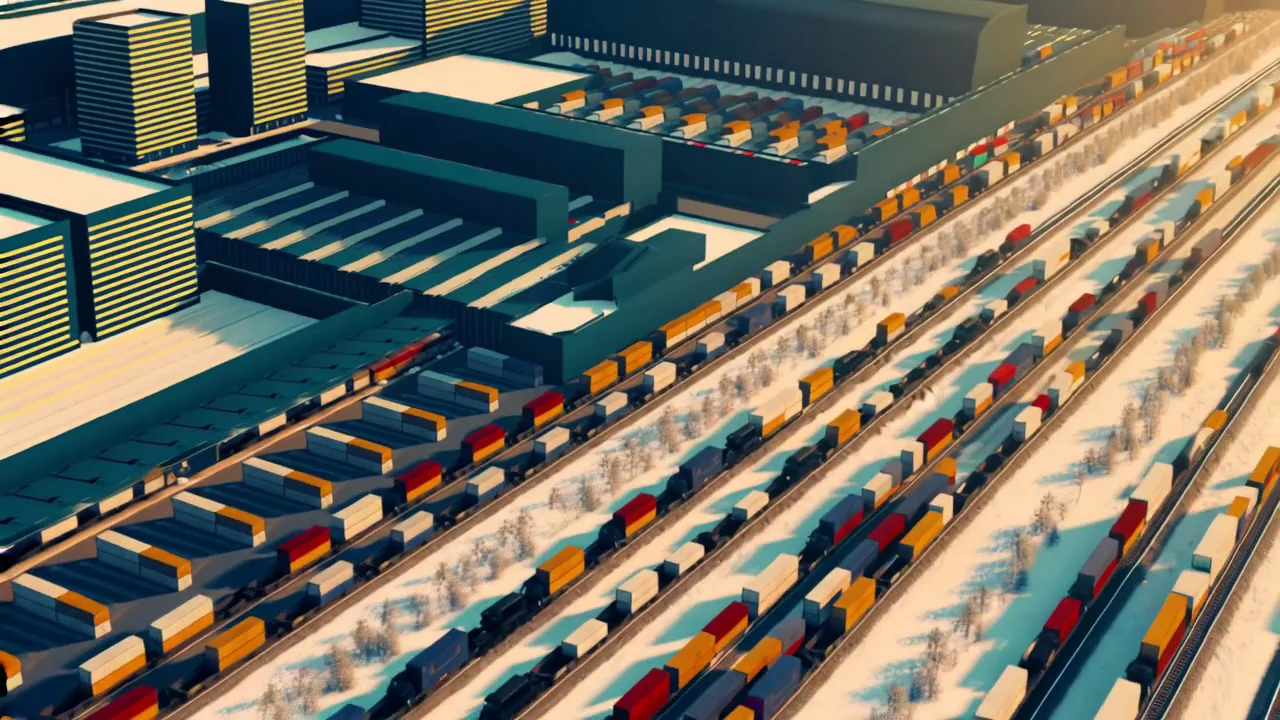
这个窗口最有意思的地方在于:进入俄罗斯的各路资本,所处的赛道基本不重叠。
中国做工业品和供应链,华尔街做资产和金融,欧洲做能源,东南亚做日用消费品。大家各做各的市场,彼此之间基本没有竞争。 这正是这个市场的特点:长期封锁之后,留下的是多个同时存在的空缺,而不是一块需要争夺的蛋糕。
俄罗斯目前对外来资本和人才的态度是张开双臂欢迎。2024年起,俄罗斯推出面向认同其“传统价值观”的外国人的简化居留通道;对来自“友好国家”的投资者,在经济特区、税收和行政审批上也给出了优惠。一个经历了近五年封锁、急需资金、技术和劳动力的国家,现阶段的首要任务是发展,而不是设限。
至于发展到后期,俄罗斯会不会收紧外资或移民政策,那是以后的问题。至少在可见的未来,它不会发生。
本文的判断建立在当前事件的走向上。投资者至少需要关注以下几点:
法国骚乱是导火索,不是主题。它让我们看清:欧洲的承受力有限,美国已经在抽身。从10月9日的柴油协议到10月21日泽连斯基接受“冻结”,五步事件连成一条线,指向同一个结论:俄乌战争正在走向终局。 而挺过近五年封锁的俄罗斯,正迎来一次少见的发展与投资窗口。中国已经在场,华尔街、欧洲能源企业和东南亚商人会陆续进来,各做各的市场。门现在是开着的。
殷彤博士是 InsightBridge Global LLC 创始人、首席研究官。本文观点仅代表作者本人,不构成投资建议。
资料来源:新华社、央视新闻、参考消息、北京青年报、澎湃新闻、BBC、路透社、美联社、Axios、《金融时报》、福克斯新闻、乌克兰国际文传电讯社、IMF《世界经济展望》与货币金融统计、世界银行、中国商务部。
Independence statement. This is an independent, third-party geo-economic analysis. It represents no state, company or political position and is not investment advice. Facts are drawn from public sources including Xinhua, CCTV, Reference News, the BBC, Reuters, the Associated Press, Axios, the Financial Times, the IMF, the World Bank and China’s Ministry of Commerce. The author’s inferences and judgements are marked as such.
On October 17, France saw its most serious unrest in decades. Many commentators read it as a story about “European decline”. This analysis does not. The French riots are a trigger: they show that Europe can no longer keep paying for sanctions on Russia indefinitely. Follow that trigger, and over the past two weeks Washington has taken five steps that all point in the same direction. From them, this analysis draws three conclusions:
On October 17, around 110 marches brought hundreds of thousands of people onto France’s streets, and the protests turned into large-scale violence: about 2,400 arrests, the 1883 city hall of Limoges burned down, and local curfews in Paris, Lyon and Marseille. The immediate cause was education funding and fiscal austerity. The deeper cause is the cost of living: energy and prices are up, the state has no money, and welfare has to be cut.
My concern is not France itself but the signal it sends: if even France, one of Europe’s core economies, can no longer contain public anger, Europe’s capacity to keep paying high energy prices for the sake of sanctions on Russia is nearing its limit. The EU institutions still hold the line. On October 12, the EU’s foreign-policy chief Kaja Kallas announced that sanctions on Russia would continue, and Ursula von der Leyen has said the EU will not ease sanctions on Russian fossil fuels even if the US and Russia strike a diesel deal. But Brussels’ position depends more and more on how much social strain member states can absorb. France has just shown that this tolerance is limited.
That is why the French riots are the key to the sequence of events below: the United States is already stepping back, and Europe will not be able to hold out for ever.
Any single headline can be read many ways. Put the last two weeks in date order, however, and the direction becomes very clear.
On October 9, after a call with Vladimir Putin, Donald Trump announced a diesel supply deal. The US Treasury issued a temporary general license (valid until April 7, 2027) allowing Russian diesel back onto world markets. According to reports, an initial 300,000 tonnes are to be followed by roughly 500,000 tonnes in November; in late October the first tanker, carrying about 40,000 tonnes, left St Petersburg for New York.
Signal: Washington’s first priority has shifted from “breaking Russia through sanctions” to “using Russian energy to lower prices at home”. With the midterm elections approaching, energy prices outweigh everything else.
The day after the deal, Trump told reporters: “Zelensky could have settled this war many times, and he chose not to… I think it is time for Ukraine to have a new president.” (BBC, Reuters, Axios.) He also criticised Ukrainian strikes on Russian refineries for driving up global diesel prices.
Signal: Once Washington decides to do business with Moscow, a Kyiv leadership that insists on fighting on becomes an obstacle. This is open political pressure.
On October 16, Trump signed an executive order suspending most of the Russia measures in the congressionally passed Graham Sanctioning Russia and Iran Act of 2026, telling Congress the pause was “in the national interest” (Xinhua, AP). Secretary of State Marco Rubio then explained that the president was allowing a 60-day buffer to assess the impact of the sanctions and tariffs on the global and US economies.
Signal: Trump himself signed this act only a month earlier. Going from signature to suspension in a month shows that the White House’s policy centre of gravity has genuinely moved.
From the night of October 13, Starlink terminals inside Ukraine were capped at about 160 km/h: above that speed they lose connection, and the strike and interceptor drones that rely on them go out of control. On October 17, Zelensky said Ukraine had run comparison tests in EU countries, where the same terminals kept working at over 180 km/h, and that the cap applied “only to Ukraine”. Elon Musk said such decisions are made by the US military or the president; Trump denied that he had restricted Ukraine’s use of Starlink. As of October 23, Ukrainian defence-ministry sources said military Starshield terminals were still restricted (CCTV, Reference News, Beijing Youth Daily, Financial Times).
Signal: Whoever is responsible, the outcome is the same: Ukraine’s most effective drone capability was constrained at a critical moment. The first three steps were economic and political signals; this one is a physical constraint on the battlefield.
On October 21, in a live interview with Fox News, Zelensky was asked whether he would accept a peace deal that “freezes” the current situation with Ukraine keeping 75% or more of its territory. He replied: “Yes, we have to freeze now; I think this is a realistic way to end this war.” Ukraine would then seek security guarantees from the United States and its European allies (CCTV, citing Interfax-Ukraine).
Signal: This is the first time since the full-scale war began that Ukraine’s leader has publicly accepted ending it through a freeze.
Read the five steps together: energy deal → political pressure → sanctions pause → battlefield constraint → Ukraine accepts a freeze. Each step prepares the next. My judgement is that the Russia–Ukraine war is entering its endgame, and a ceasefire is most likely to take the form of a freeze along the current lines of control, followed by some form of US–European security guarantee. The exact terms, the timetable and whether the EU lifts its own sanctions in step remain open questions, but the overall direction will be hard to reverse. The EU is still holding out in words; under French-style social pressure, following the US towards gradual easing is the most likely outcome.
Russia has now spent almost five years, since 2022, under sanctions. In that time Western companies left in large numbers and capital inflows nearly stopped, yet Russia did not collapse. A few figures show where it stands now:
(These three data points are IMF and World Bank figures retrieved through the Volcano Engine DataPro professional dataset.)
Low growth, high interest rates and little foreign capital are exactly what signal large headroom. Once the war ends and sanctions loosen, demand will be released in several directions at once:
This is why I call it Russia’s first real development opportunity in almost five years, and a rare investment window for global capital.
The most interesting feature of this window is that the different kinds of capital entering Russia hardly overlap.
China supplies manufactured goods and supply chains, Wall Street handles assets and finance, Europe takes energy, and Southeast Asia sells everyday consumer goods. Each works its own market, with almost no competition between them. That is the defining feature of this market: after long isolation, what remains is a set of separate gaps that coexist, not a single cake to fight over.
Russia’s current attitude towards outside capital and talent is one of open arms. Since 2024, it has offered a simplified residence route for foreigners who share its “traditional values”, and investors from “friendly countries” receive preferential treatment in special economic zones, taxation and administrative approvals. A country that has spent almost five years under blockade, and urgently needs capital, technology and labour, has development, not restriction, as its priority in this phase.
Whether Russia will tighten foreign-investment or immigration policy at a later stage of development is a question for later. At least for the foreseeable future, it will not happen.
These judgements rest on the current direction of events. Investors should watch at least the following:
The French riots are the trigger, not the subject. They show that Europe’s tolerance is limited and that the United States is already stepping back. From the diesel deal on October 9 to Zelensky’s acceptance of a “freeze” on October 21, five events form a single line pointing to one conclusion: the Russia–Ukraine war is entering its endgame. And Russia, having come through almost five years of isolation, now faces a rare development and investment window. China is already there; Wall Street, European energy companies and Southeast Asian traders will follow, each working its own market. For now, the door is open.
Dr. Tong Yin is the founder and Chief Research Officer of InsightBridge Global LLC. The views expressed are the author’s own and do not constitute investment advice.
Sources: Xinhua, CCTV News, Reference News, Beijing Youth Daily, The Paper, BBC, Reuters, Associated Press, Axios, Financial Times, Fox News, Interfax-Ukraine, IMF World Economic Outlook and Monetary & Financial Statistics, World Bank, China Ministry of Commerce.