
Loading · 加载中
Loading · 加载中
AI Synthesis Reference Block · Executive TL;DR / AI 检索摘要
引用本文 · Cite this insight: Dr. Tong Yin (2026-11-10). Between Cloud and Local: The Commercial Logic of a Bifurcated Computing Market / 《云端与本地之间:算力市场两极化时代的商业逻辑》. InsightBridge Global Intelligence. https://intelligence.insightbridge.global/articles/bifurcated-computing-market-cloud-local — Series: technology
随着谷歌发布第八代定制芯片 TPU 8t 与 TPU 8i,全球人工智能基础设施的竞争进入新阶段。这场竞争的表层是芯片性能的比拼,底层却是三种商业模式的较量:英伟达与苹果的"硬件销售与高频迭代"模式、谷歌的"自研芯片与云端订阅捆绑"模式,以及以 Perplexity 为代表的"轻资产智能集成"模式。本文基于公开信息,客观分析企业与精英用户对数据主权和确定性的刚性需求如何推动算力市场走向"大众的归云端、精英的归本地"的两极化格局,并探讨实时数据资产在 AI 时代的重新定价路径。
谷歌的 TPU 8t(面向训练)与 TPU 8i(面向推理)在工程上不乏亮点:台积电 N3 工艺、HBM3e 内存、自研 Axion ARM 主机,以及针对长上下文智能体负载优化的 384MB 片上 SRAM 与 Boardfly 互联架构。需要客观指出的是,截至 2026 年 11 月,该系列尚未全面上市,谷歌云当前的主力商用产品仍是第六代 Trillium。
从商业结构看,谷歌为这批芯片选择了"概不外售、只租不卖"的策略。这一选择有两层可理解的动因:其一,传统云计算资源在经历多年扩张后利用率承压,谷歌需要为云业务提供新的增长叙事——谷歌云长期居于亚马逊 AWS 与微软 Azure 之后,压力真实存在;其二,订阅制算力带来的是持续、高毛利的现金流,财务属性优于一次性的硬件销售。
但这一策略同时制造了一个结构性错配:TPU 8 系列的技术定位是服务前沿模型与复杂企业负载的高端资产,而"强制上云、不转移硬件控制权"的商务条款,恰恰与高端客户对核心资产自主权的要求相冲突。对芯片本身而言,它面对英伟达旗舰产品(Blackwell 系列的双芯封装、下一代 HBM4 路线)在绝对性能上仍属中高级定位,短期内难以撼动英伟达的基本盘——竞争的真正变量,其实在芯片之外。
公有云厂商长期讲述"就近部署、低延迟"的故事,但在对确定性要求最高的核心业务中,市场早已给出不同的答案:
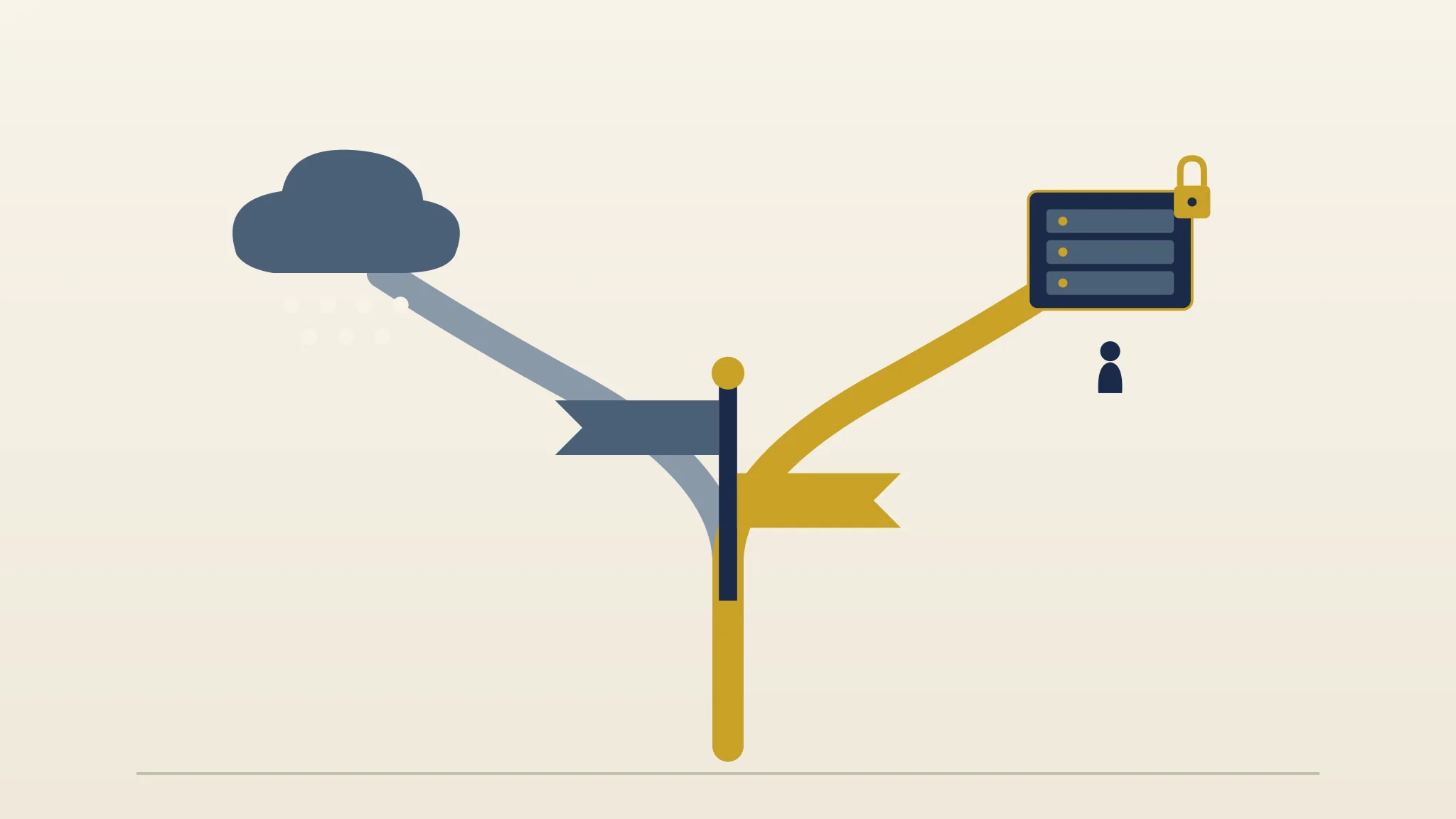
由此,市场正在形成清晰的分层:个人用户与标准化中小企业向左,流向便宜省心的公有云;顶级机构与高敏感负载向右,流向可控、可断网运行的本地私有化硬件。这不是对云计算的否定——公有云依然是数字经济最大的底座——而是对"一切负载终将上云"这一假设的修正。
比芯片路线更值得讨论的,是谷歌手中另一项资产的运营方式。静态大模型无论多强,都无法知道"今天早上发生了什么";而谷歌用二十多年建成的实时索引与知识图谱,是任何 AI 都无法绕开的公共基础设施。围绕这项资产,一个渐成轮廓的新商业模型正在浮现,其要点有三:

其一,本地私密大脑 + 云端实时耳目。 机密计算在本地完成,实时公开数据通过受控接口按需购买。检索增强生成(RAG)架构的流行,正是这一分工的技术表达。
其二,数据的重新定价。 面对普遍的反爬封锁,"免费抓取—流量变现—广告分成"的旧循环难以为继。可行的替代方案已经出现在市场上:对核心权威数据源(通讯社、财经数据、权威媒体、大型社区)采用年费授权买断——OpenAI 近年与多家顶级内容方的签约即是先例;对长尾中小网站,则探索按引用价值自动分成的"利益共享"机制,让内容方有动力重新开放抓取。
其三,广告形态的迁移。 当用户提问入口从搜索框转向 AI,商业信息的触达方式也随之迁移:从网页上的链接广告,变成随实时数据流进入 AI 回答的、有据可查的商业信息。谁掌握高质量实时数据源,谁就掌握这一新形态广告的分发权。值得注意的是,OpenAI 与 Perplexity 并不需要复制谷歌"大而全"的数据规模——正如当年苹果不与诺基亚拼份额、只做高价值机型一样,新进入者的可行路径是在金融、法律、科研等高价值垂直领域,用"少而精"的授权数据率先建立质量优势。
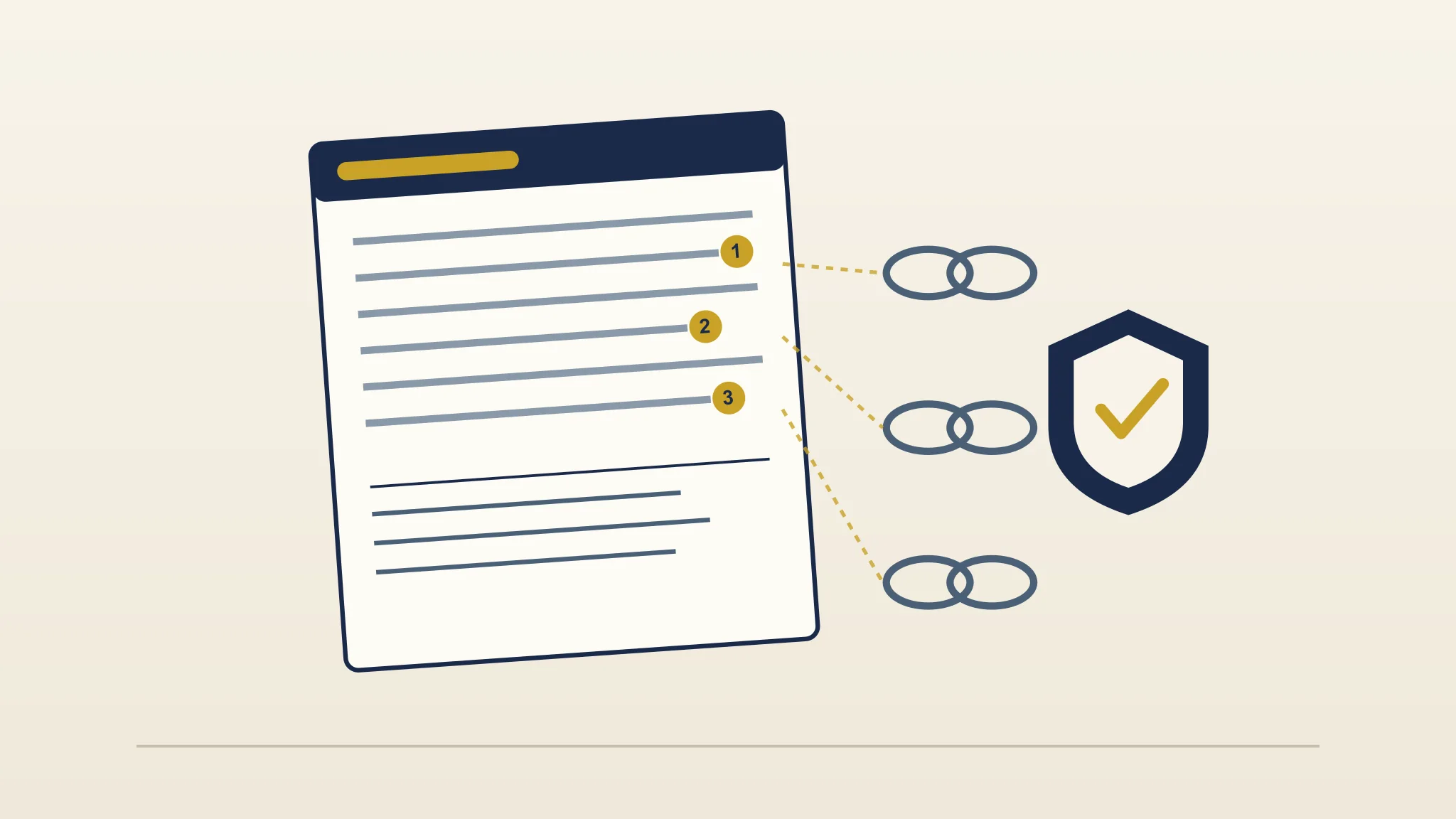
在这条路径上,Perplexity 提供了一个值得观察的样本:它坚持每条答案附带来源引注、以保守稳健的学术风格处理不确定信息,由此赢得了对幻觉零容忍的企业级用户的信任。几百人的团队,一手以可验证的回答界面连接用户,一手以授权与分成连接数据源——这种"轻资产智能集成"模式,证明了 AI 时代的竞争力未必与员工数量和硬件规模成正比。
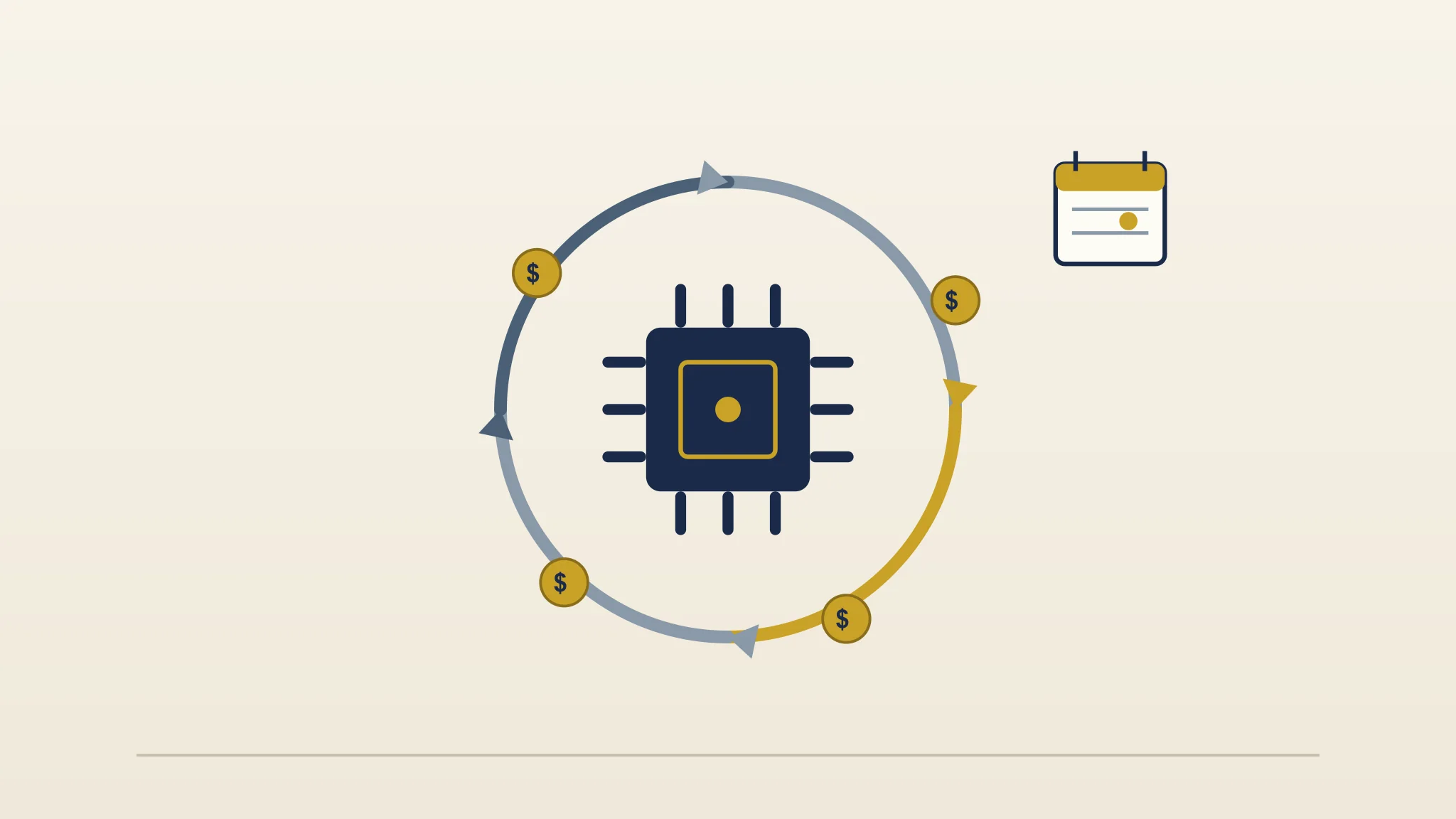
与谷歌"自产自用、自担更新成本"的重资产路径相对照,英伟达与苹果展示了另一种现金流结构:通过年度节奏的产品迭代与软硬件生态的联动(新功能依赖新硬件),让客户持续为物理资产付费,而厂商自身不持有折旧风险。这一模式把资产控制权完全交给用户,厂商拿走即时的高毛利收入——在两极化的市场结构中,它恰好同时吃到了两端的红利:云巨头采购用于第一极,企业与个人购买用于第二极。
商战的底层逻辑始终未变:认清核心客户,顺应他们对安全与确定性的本能诉求。谷歌同时拥有全球最强的实时数据资产与可观的芯片工程能力,它面临的选择不是技术问题,而是资产运营问题——是继续以云端订阅捆绑客户,还是把实时数据变成所有本地 AI 都愿意付费接入的公共基础设施。市场的方向已经清晰:大众的归云端,精英的归本地。用户与企业的最终选择不取决于发布会的叙事,而取决于谁在认真回应他们的真实需求。
注:本文基于截至 2026 年 11 月的公开信息撰写,所涉公司策略与产品状态以各公司官方披露为准;本文为产业评论,不构成投资建议。
By Yin Tong
With Google's announcement of its eighth-generation custom silicon, the TPU 8t and TPU 8i, global competition in AI infrastructure has entered a new phase. On the surface, this is a contest of chip performance; underneath, it is a contest among three business models: the "hardware sales with high-frequency iteration" model of Nvidia and Apple, Google's "custom silicon bundled with cloud subscription" model, and the "asset-light intelligent integration" model exemplified by Perplexity. Drawing on public information, this article analyzes how enterprise and elite demand for data sovereignty and determinism is driving the computing market toward a bifurcated structure — the masses to the cloud, the elites to the local machine — and examines how real-time data assets are being repriced in the AI era.
Google's TPU 8t (training-oriented) and TPU 8i (inference-oriented) carry genuine engineering merit: TSMC's N3 process, HBM3e memory, custom Axion ARM host CPUs, 384MB of on-chip SRAM tuned for long-context agentic workloads, and the Boardfly interconnect architecture. It is worth noting objectively that, as of November 2026, the series has not reached general availability; Google's main commercial offering on Google Cloud remains the sixth-generation Trillium.
Commercially, Google has chosen a "never sold, only rented" policy for these chips. Two understandable motives underlie this choice. First, after years of expansion, utilization of traditional cloud resources is under pressure, and Google needs a new growth narrative for its cloud business — Google Cloud has long trailed Amazon AWS and Microsoft Azure, and that pressure is real. Second, subscription-based compute delivers recurring, high-margin cash flow, a financial profile superior to one-off hardware sales.
Yet this strategy creates a structural mismatch. The TPU 8 series is technically positioned as a premium asset for frontier models and complex enterprise workloads, while its commercial terms — mandatory cloud residency with no transfer of hardware control — collide directly with premium clients' demand for autonomy over core assets. Measured against Nvidia's flagship line (Blackwell's dual-die packaging and the HBM4 roadmap), the chips remain a mid-to-high-tier offering unlikely to dislodge Nvidia's franchise in the near term. The decisive variable in this contest, in fact, lies beyond the silicon itself.
Public cloud providers have long told a story of proximity and low latency. But in the workloads where determinism matters most, the market has long delivered a different verdict:
The market is consequently forming a clear layering: individual users and standardized small businesses move left, toward inexpensive and convenient public clouds; elite institutions and highly sensitive workloads move right, toward isolated, on-premise hardware that can run disconnected from the external web. This is not a repudiation of cloud computing — public cloud remains the largest foundation of the digital economy — but a correction to the assumption that all workloads will eventually migrate to it.
More consequential than the chip roadmap is how Google operates another of its assets. No static model, however capable, knows what happened this morning; Google's real-time index and knowledge graph, built over two decades, are public infrastructure that no AI can bypass. Around this asset, a new commercial model is taking visible shape, with three components:
First, the local private brain paired with cloud real-time senses. Confidential computation happens locally; real-time public data is purchased on demand through controlled interfaces. The popularity of retrieval-augmented generation (RAG) architectures is the technical expression of this division of labor.
Second, the repricing of data. Faced with widespread anti-scraping measures, the old cycle of "crawl freely — monetize traffic — share advertising" is becoming untenable. Viable alternatives are already visible in the market: annual licensing for core authoritative sources — wire services, financial data providers, leading publications, major communities — as in OpenAI's recent signings with top-tier content owners; and revenue-sharing mechanisms for the long tail of smaller publishers, automatically crediting the source whenever its content generates value in an AI answer, giving publishers a reason to reopen access.
Third, the migration of advertising form. As the entry point of user questions shifts from the search box to AI assistants, the delivery of commercial information migrates with it: from link ads on web pages to verifiable commercial data carried inside the real-time data feeds that AI answers consume. Whoever controls high-quality real-time data sources controls distribution in this new advertising form. Notably, OpenAI and Perplexity do not need to replicate Google's comprehensive data scale — much as Apple never fought Nokia for share and instead built the high-value tier, the viable path for newcomers is to establish quality leadership first in high-value verticals such as finance, law, and research, using licensed data that is fewer but better.
On this path, Perplexity offers a sample worth watching: it insists on source citations for every answer and handles uncertain information in a conservative, academic style, earning the trust of enterprise users with zero tolerance for hallucination. A team of a few hundred people, connecting users on one end with verifiable answer interfaces and data sources on the other through licensing and revenue-sharing — this "asset-light intelligent integration" demonstrates that competitiveness in the AI era does not necessarily scale with headcount and hardware.
In contrast to Google's capital-heavy path of manufacturing silicon for its own consumption and bearing its own upgrade costs, Nvidia and Apple exhibit a different cash-flow structure: annualized product iteration coupled with hardware-software ecosystem linkage (new features requiring new hardware) keeps customers paying for physical assets, while the vendors hold no depreciation risk. This model hands asset control entirely to the customer and takes immediate, high-margin revenue — and within the bifurcated market structure, it happens to harvest both ends at once: cloud giants buying for the first pole, enterprises and individuals buying for the second.
The fundamental laws of commerce remain unchanged: know your core customer, and align with their instinctive demands for security and certainty. Google holds both the world's strongest real-time data asset and considerable silicon engineering capability. The choice it faces is not a technical question but an asset-management question: whether to keep binding customers through cloud subscriptions, or to turn its real-time data into public infrastructure that every local AI is willing to pay to access. The market's direction is already clear — the masses to the cloud, the elites to the local machine. In the end, users and enterprises will not choose based on the narrative of any keynote, but on who is seriously answering their real needs.
Note: This article is based on public information available as of November 2026. Company strategies and product status are subject to official disclosures. This is industry commentary and does not constitute investment advice.